Why Am I Still Tired After 8 Hours of Sleep? (2026)
Why Am I Still Tired After 8 Hours of Sleep? (2026)
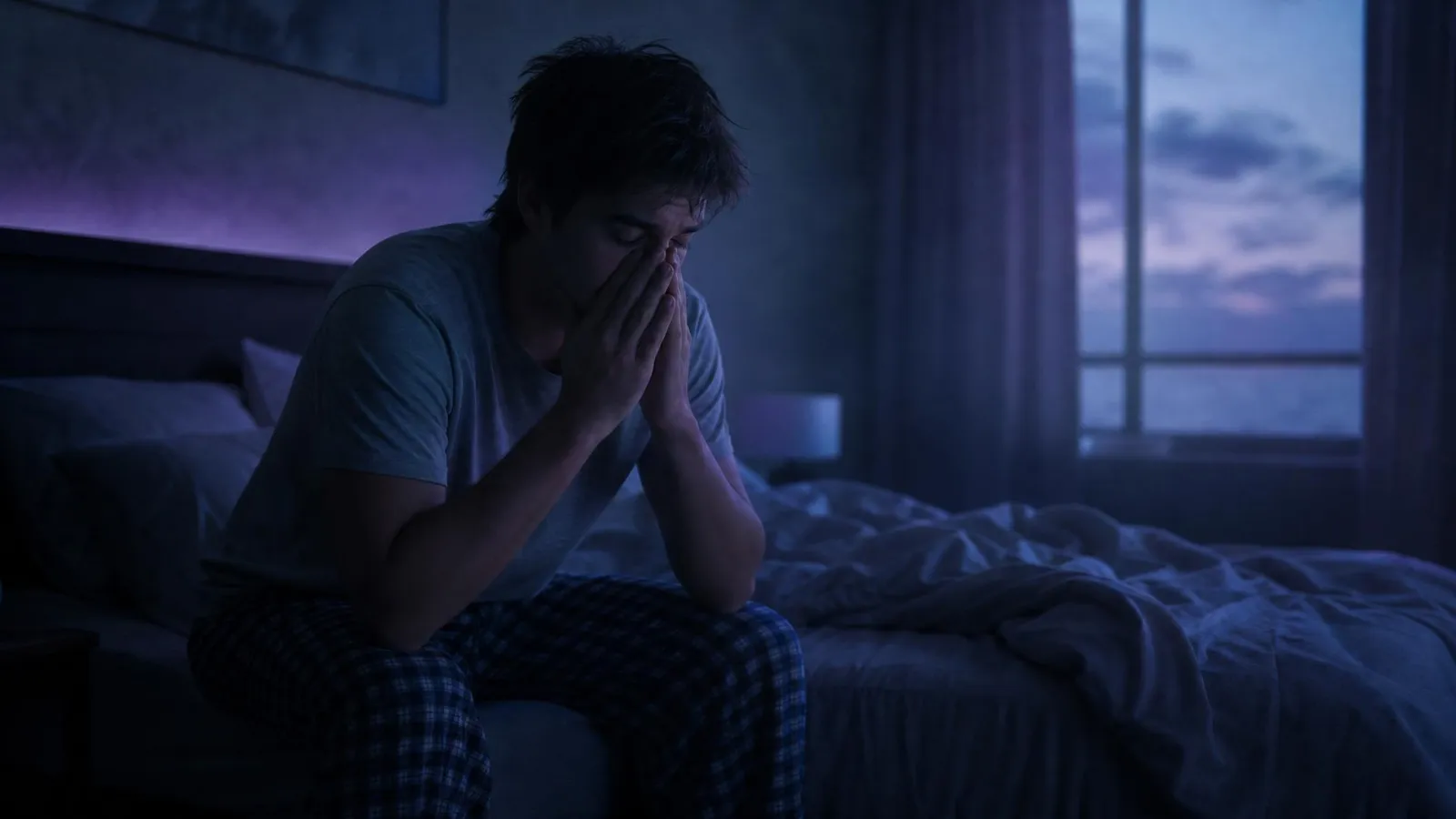
You went to bed early. You stayed in bed for eight hours. The alarm went off and you felt as though you had barely slept at all. It is one of the most disorienting and demoralising experiences there is, because everything you have been told says eight hours should be enough, so the tiredness feels like a personal failing or a mystery illness. In most cases it is neither. The usual explanation is simple but counterintuitive: the hours were there, but the quality was not. Something was quietly breaking your night into pieces, and broken sleep does not refresh you the way unbroken sleep does, no matter how long it lasts.
This guide explains why you can be exhausted after a full night, what the difference between sleep duration and sleep quality really is, and the specific things, some obvious, some completely invisible, that fragment your rest. Most importantly, it explains how to find out which of them is happening to you.
DuoSnore is a wellness and self-tracking app, not a medical device, and nothing here is a diagnosis. The aim is to help you understand your nights and, if the signs warrant it, arrive at a doctor's appointment already informed.
Why am I tired even after 8 hours of sleep?
Because the clock measures how long you were in bed, not how much real, restorative sleep you actually got. Those are not the same number. Healthy sleep moves through repeated cycles of light sleep, deep slow-wave sleep and REM, and it is the deep and REM stages that do most of the physical and mental repair. If something keeps yanking you up out of those stages, even for a few seconds, even without fully waking you, you never accumulate enough uninterrupted deep sleep to feel restored. You spent eight hours in bed, but you banked far less genuine rest than the duration implies.
This is why "I slept eight hours" can sit right next to "I am exhausted" without any contradiction. The interruptions that cause it are often things you have no memory of in the morning: a brief arousal when your airway narrows, a shift to lighter sleep as your body processes last night's wine, a 4 a.m. spike of stress hormones. You do not remember them, so from the inside it feels like you slept straight through, which makes the daytime fatigue genuinely baffling.
It helps to flip the usual question. Instead of "am I getting enough hours?", ask "is my sleep continuous and deep, or is it shallow and broken?" For a huge number of tired people, the honest answer is the second one, and the cause is hiding inside the night itself.
Is it about sleep duration or sleep quality?
It is about both, but quality and continuity are the part most people overlook, because duration is the only thing they can easily see. Duration absolutely matters as a floor: the CDC advises that adults get at least seven hours of sleep, and shortchanging that floor reliably makes you tired. Plenty of people genuinely are just sleeping too little, and more than a third of American adults fall short, according to the CDC. If you are routinely in bed for five or six hours, start there.
But once you are clearing seven hours and still dragging, duration is no longer the story. At that point, quality and regularity take over. A striking study published in the journal SLEEP found that the regularity of your sleep, how consistent your bed and wake times are from day to day, was a stronger predictor of mortality risk than sleep duration itself. In other words, when and how you sleep can matter more than the raw number of hours. A ragged, fragmented seven hours is simply not the same product as a smooth, consistent seven hours.
The clearest way to feel the difference is to lay the two kinds of night side by side. The same eight hours can produce two completely different mornings depending on whether the sleep was continuous or broken.
| Restorative sleep | Fragmented sleep | |
|---|---|---|
| Continuity | Long unbroken stretches of deep and REM sleep | Repeatedly interrupted by brief arousals |
| Deep sleep banked | Most of what the duration promises | Far less than the hours suggest |
| Memory of waking | Slept through, or one or two clear wakes | Feels like sleeping through, but wasn't |
| Morning feeling | Refreshed, clear-headed | Groggy, unrefreshed despite the hours |
| Daytime energy | Steady through the day | Sleepy, foggy, reaching for caffeine |
| Typical causes | Regular schedule, dark quiet room, no late alcohol | Snoring, apnea, alcohol, late caffeine, screens, stress |
So the framing that actually unlocks this problem is: hours are necessary but not sufficient. Once the duration box is ticked, the question becomes what is happening during those hours, and whether your nights are continuous enough to do their job. Almost everything that follows is about the forces that quietly degrade that continuity.
Can snoring make you tired without waking you up?
Yes, and this is the single most important and most overlooked answer in this entire article. It sounds impossible, how can something exhaust you if you slept through it? But that is precisely the trap. The mechanism behind it, obstructive sleep apnea, is built to be invisible to the person who has it.
Here is what happens. As you sleep, the soft tissues in your throat relax and your airway narrows. Snoring is the sound of that narrowed airway vibrating. In sleep apnea, the airway narrows so far that airflow drops or stops for seconds at a time. Your blood oxygen dips, and your brain responds by briefly surfacing you out of deep sleep just enough to tense the muscles and reopen the airway, often with a gasp or snort. Then you sink back down, and the whole thing repeats, sometimes dozens of times an hour, all night long. Each of these arousals is usually far too short to form a memory, so you wake up convinced you slept soundly.
The consequences are anything but invisible. The Sleep Foundation explains that these repeated breathing interruptions cause fragmented sleep and that obstructive sleep apnea is the most common medical cause of excessive daytime sleepiness. And because the events happen during sleep, the condition hides: the same source notes that many people with sleep apnea are unaware of their symptoms and remain undiagnosed, often masking the creeping tiredness with caffeine and willpower. This is why a person can snore heavily for years, feel shattered every afternoon, and never connect the two. The deep sleep they need is being shredded silently, night after night, and the only outward clue is a sound they cannot hear themselves making.
How much sleep do adults actually need, really?
Enough to feel restored, which for most adults means at least seven hours, but the honest answer comes with an asterisk about quality. The official guidance is clear and worth taking seriously as a baseline: both the CDC and the American Academy of Sleep Medicine recommend that adults sleep seven or more hours per night on a regular basis, and consistently getting less is linked to higher risks of obesity, high blood pressure, heart disease and more. Some people need eight or nine hours to feel their best, and that is normal too.
The asterisk is this: that seven-hour figure quietly assumes your sleep is reasonably continuous. The recommendation is for seven hours of actual, functioning sleep, not seven hours of lying in bed being interrupted. If your nights are fragmented by snoring, alcohol or stress, the real, restorative portion of those seven hours can be considerably less, which is why some people find they need an unusually long time in bed just to function. They are paying a "fragmentation tax" and topping up with extra hours to compensate.
This reframes the goal in a useful way. Chasing ever more hours when the underlying sleep is broken is like pouring water into a leaky bucket. Once you are past the seven-hour floor, the higher-leverage move is almost always to fix the leaks, the things degrading quality, rather than simply scheduling more time in bed. The next section catalogues the most common leaks.
What everyday habits wreck sleep quality?
Plenty of ordinary, blameless-feeling habits quietly sabotage the quality of your nights, and because their effects show up the next day rather than at bedtime, the connection is easy to miss. Four stand out, and most tired people are doing at least one of them.
- Alcohol. It feels like a sleep aid because it helps you fall asleep, but it betrays you in the second half of the night. The Sleep Foundation explains that alcohol leads to "lighter, more fragmented sleep and frequent awakenings, especially during the second half of the night," and that you get less REM sleep than usual. A nightcap is one of the most reliable ways to sleep eight hours and still feel rough.
- Caffeine too late. Caffeine has a long half-life, so an afternoon coffee can still be in your system at bedtime. Even if you fall asleep fine, the Sleep Foundation notes it "can also reduce the amount of deep, slow-wave sleep you get," and recommends cutting off caffeine at least eight hours before bed. Less deep sleep means less repair, and a hollower morning.
- Screens and bright light at night. Phones, tablets and laptops both overstimulate the mind and emit blue light that suppresses melatonin. The Sleep Foundation recommends a device-free buffer of 30 to 60 minutes before bed for exactly this reason.
- An irregular schedule. Going to bed and waking at wildly different times confuses your internal clock, which is why a fixed wake-up time, even on weekends, is one of the most effective sleep-hygiene habits, and why regularity is such a powerful predictor of how you feel.
Stress belongs on the list too: a mind that will not switch off keeps you in lighter sleep and primes you for those 3 a.m. wake-ups. None of these will necessarily stop you from falling asleep, which is exactly why they are so easy to overlook. They degrade the sleep you do get.
When is daytime tiredness a sign of sleep apnea?
When the tiredness travels in company, specifically the company of nighttime breathing signs, it is worth taking seriously rather than shrugging off. Everyday fatigue from a bad week is one thing; persistent, unexplained exhaustion alongside the apnea pattern is another, and it is the combination that matters.
Treat daytime tiredness as a possible red flag for obstructive sleep apnea when it shows up together with one or more of the following:
- Loud, habitual snoring, most nights, loud enough to bother a partner or be heard through a door.
- Witnessed pauses in breathing, or waking with a gasp, snort or choking sensation.
- Waking unrefreshed despite spending plenty of hours in bed.
- Frequent morning headaches, or a very dry mouth on waking.
- Getting up to urinate several times a night without another clear cause.
- Trouble concentrating, low mood or new irritability during the day.
A bed partner is often the first to notice the pauses and gasps, because you are asleep when they happen. Daytime sleepiness is one of the most common consequences, the Sleep Foundation notes that a large share of people with OSA experience it, yet it is "commonly overlooked" because it builds up so gradually that people normalise it. A structured screening questionnaire such as STOP-BANG can put a number on your risk. To be completely clear, that result is indicative, not a diagnosis, only a doctor and a sleep study can confirm or rule out apnea, but a high score is a good reason to start that conversation.
How do you find out what is fragmenting your sleep?
You measure it, because memory is worthless here. That is the whole crux of the problem: the events that fragment your sleep, the apnea arousals, the restless stretch after a drink, the brief surfacing you never recall, all happen while you are unconscious. You cannot introspect your way to the answer, and "I think I slept fine" is exactly the false impression a fragmented night creates. The only honest path is an objective record of what your nights actually look like.
For snoring and the apnea signals that so often hide behind unexplained fatigue, that record is straightforward to get, on the phone already on your nightstand. This is what DuoSnore is built for. You place your phone by the bed, and it listens to the sound of your breathing all night and analyses it entirely on the device, the audio is never uploaded. In the morning you get a Snore Score from 0 to 100, your snoring minutes, your peak volume and an intensity reading, so vague suspicion becomes a number you can actually watch. Because it tracks every night, you also get a trend, which is where the real insight lives.
Crucially, you can tag the factors that might be making things worse, alcohol, stress, a blocked nose, a late meal, and then see their effect on your score across nights. That turns "I wonder if wine wrecks my sleep" into evidence you can read. DuoSnore also includes an indicative apnea-risk signal and the STOP-BANG checklist, gathering the warning signs in one place instead of leaving them half-remembered. And because it is designed around couples, two linked phones let a partner record what they witness, the pauses and gasps you cannot capture yourself, turning them into an informed witness rather than an anxious one. The one thing it deliberately does not do is diagnose you: everything it shows is wellness information, not a medical diagnosis.
The practical takeaway is the one promise on the box: track three nights, then look. Three nights of real data will usually tell you far more than years of wondering, and either reassure you or give you something concrete to act on.
If your nights turn out to be loud and broken, the next step is to confirm whether you snore at all and how much, covered in how to know if you snore. If the breathing-pause signs are showing up, read snoring vs sleep apnea to understand the line between an annoyance and a warning sign. And when you are ready to do something about habitual snoring, our pillar guide on how to stop snoring walks through the evidence-based fixes. The takeaway: stop blaming the clock, measure the night, and find the thing that is actually stealing your rest.
Frequently asked questions
Why am I still tired after 8 hours of sleep?
Because the number on the clock is not the same as the quality of your rest. If something repeatedly interrupts your sleep, even briefly and even without fully waking you, your nights become fragmented and far less restorative. Snoring and sleep apnea are the most common hidden culprits, but irregular bedtimes, alcohol, late caffeine, screens and stress all do it too. Eight broken hours can leave you more tired than six solid ones.
Is it about sleep duration or sleep quality?
Both matter, but quality and continuity often decide how you feel. Adults are advised to get at least seven hours, yet you can hit that target and still feel wrecked if the sleep is fragmented. Research even finds that the regularity of your sleep timing can predict health outcomes more strongly than duration alone. So a full night that is broken into pieces is not the same as a full night of unbroken, restorative sleep.
Can snoring make you tired without waking you up?
Yes, and this is the part most people miss. With obstructive sleep apnea, your airway narrows or closes, your brain briefly rouses you to reopen it, then you drift back down, sometimes dozens of times an hour. These arousals are usually too short to remember, so you wake believing you slept through, while your deep sleep has been shredded. The result is genuine daytime exhaustion with no memory of a disturbed night.
How much sleep do adults actually need?
Most adults need at least seven hours per night, according to the CDC and the American Academy of Sleep Medicine. Some people need eight or nine. But that figure assumes the sleep is reasonably continuous. If your seven or eight hours are constantly interrupted, you may need more time in bed just to net the same amount of real rest, which is why fixing quality often matters more than simply adding hours.
What everyday habits wreck sleep quality?
The big ones are alcohol, which fragments the second half of the night and cuts REM sleep; caffeine too late in the day, which reduces deep sleep even when you fall asleep fine; bright screens before bed, which delay sleep and suppress melatonin; an irregular schedule that confuses your body clock; and stress that keeps your mind switched on. Any of these can leave a full night feeling shallow and unrefreshing.
When is daytime tiredness a sign of sleep apnea?
Treat it as a possible warning sign when persistent tiredness comes with loud, habitual snoring, witnessed pauses in breathing, gasping or choking at night, morning headaches, a dry mouth on waking, or needing to urinate several times a night. A bed partner often spots the pauses first. A screening tool like STOP-BANG can flag your risk, but only a doctor and a sleep study can confirm or rule out apnea.
How do you find out what is fragmenting your sleep?
You measure it. Because the disruptions happen while you are unconscious, memory is unreliable, so an objective record is the only honest way to see them. A snore-tracking app like DuoSnore listens on your phone and gives you a nightly Snore Score, your snoring minutes and a trend, and lets you tag factors such as alcohol or a blocked nose so you can see what makes your nights worse. DuoSnore is a wellness tool, not a diagnosis.
Wellness, not a diagnosis. DuoSnore is not a medical device and this article is not a substitute for professional medical advice. If you have symptoms or any concern about your health or sleep, consult a healthcare professional.
Related articles
How Much Snoring Is Normal? What the Numbers Actually Say (2026)
There is no official medical threshold for "normal" snoring. Here is what research actually measures — percentage of the night spent snoring, snoring index — how you compare to the population, and the one signal that should genuinely concern you.
How to Know If You Snore (and the Best Way to Track It) (2026)
Not sure if you snore, especially sleeping alone? Learn the indirect signs, how to record and measure it, a method comparison table, snoring decibel levels, and how snore-tracking apps work.