Why You Snore More After Drinking Alcohol (and What Helps) (2026)
Why You Snore More After Drinking Alcohol (and What Helps) (2026)
Almost everyone has noticed it, or had it pointed out: snoring gets noticeably worse on nights with a few drinks. It is not your imagination, and it is one of the most reliable, predictable triggers in all of sleep science. Alcohol changes the mechanics of your airway in ways that make vibration, and therefore snoring, much more likely, even in people who never normally snore. This guide explains exactly why it happens, how big the effect is, how long before bed you should stop, and what actually reduces alcohol-related snoring.
DuoSnore is a wellness app, not a medical device, and this article is general information, not a diagnosis.
Why does alcohol make you snore more?
Because alcohol is a muscle relaxant, and snoring is a muscle problem. During normal sleep, the muscles lining your throat already relax somewhat. Alcohol pushes that relaxation much further, letting the tongue, soft palate and throat walls collapse inward. The airway narrows, the airflow gets turbulent, and the loose tissues flutter, which is the sound of snoring.
According to the Sleep Foundation, alcohol relaxes the muscles of the body, including those in the airway, which can lead to or worsen snoring and obstruct breathing during sleep. There is a second mechanism that makes it worse: alcohol is a sedative that blunts the brain's protective "arousal" reflex, the tiny wake-ups that normally tighten the airway back open. With that reflex dulled, the airway stays collapsed longer. The takeaway is that alcohol attacks snoring from two directions at once, relaxing the airway and suppressing the body's defense against it, which is why the effect is so consistent.
How much does alcohol actually increase snoring?
Enough to be obvious, and the effect scales with the dose. This is not a marginal influence; in many people, alcohol is the single largest night-to-night swing in how much they snore. Even modest drinking before bed can turn a quiet sleeper into a loud one for that night.
According to research summarized by the Sleep Foundation and clinical reviews of alcohol's effect on the upper airway, drinking before sleep increases both the loudness and the frequency of snoring, and can induce snoring in people who are not habitual snorers. Studies on obstructive sleep apnea have found that pre-sleep alcohol increases the apnea-hypopnea index, meaning more and longer breathing interruptions. The exact percentage varies by person and dose, which is precisely why generic numbers are less useful than measuring your own response. The takeaway: alcohol's impact on snoring is large and real, but the size of your effect is personal, so the only way to know it is to track it.
Why is timing before bed so important?
Because the snoring tracks the alcohol still in your system when you fall asleep, not how much you drank in total. Your body metabolizes alcohol at a roughly steady rate, so a drink finished right before bed has its full relaxing effect during your most important early sleep; a drink finished hours earlier has largely worn off.
This is why "stop drinking a few hours before bed" is the most repeated practical tip. As a rough guide, allowing roughly 3 to 4 hours between your last drink and sleep gives your body time to clear most of the alcohol, blunting the airway effect. The more you drank, the longer that buffer needs to be. There is no precise universal cutoff, because metabolism varies, but the direction is clear and consistent: the closer your last drink is to lights-out, the worse you will snore. The takeaway is that when you stop drinking often matters as much as how much you drank, and a few hours of buffer is a simple, free lever.
There is a second reason timing matters, and it explains why you often snore worse in the early hours after a night of drinking. According to the Sleep Foundation, alcohol initially acts as a sedative but then fragments sleep in the second half of the night as it is metabolized, producing lighter, more broken sleep and a rebound in REM. That lighter, more disrupted sleep tends to coincide with more position changes onto your back and more arousals, both of which can make snoring louder toward morning. So even a drink finished reasonably early can still shape how you snore at 4 a.m. The takeaway: alcohol degrades sleep quality across the whole night, not just at the moment you drink it, which is another argument for keeping it modest and early.
What actually reduces snoring after drinking?
A handful of changes, ranked roughly by how much they help. None of them cancel alcohol's effect entirely, so the most powerful move is always drinking less, but these stack.
| What to do | Why it helps | How much it helps |
|---|---|---|
| Drink less overall | Less muscle relaxation, smaller airway collapse | Most effective |
| Stop 3–4 hours before bed | Alcohol mostly metabolized before deep sleep | High |
| Sleep on your side | Counteracts the relaxed tongue falling back | Moderate–high |
| Stay hydrated | Alcohol dries airway tissues, which vibrate more | Modest |
| Avoid mixing with sedatives | Sedatives compound the muscle relaxation | Important (safety) |
| Treat nasal congestion | Keeps you nose-breathing despite relaxed airway | Modest |
A few cautions matter here. Never combine alcohol with sedative sleep aids, because both relax the airway and suppress breathing drive, and the combination can be dangerous, not just noisier. For the complete, evidence-based toolkit on reducing snoring in general, including devices, exercises and weight, see our pillar guide, How to Stop Snoring: Evidence-Based Methods That Actually Work. The honest takeaway: side-sleeping and hydration soften the blow, but the only thing that reliably removes alcohol-related snoring is reducing the alcohol, especially close to bedtime.
How do you find your personal alcohol-snoring threshold?
You measure it across several nights and let your own data tell you. Because the effect is so dose- and person-dependent, generic advice can only take you so far. What you really want to know is your number: how much, and how late, before your snoring spikes. That is something only nightly tracking can reveal.
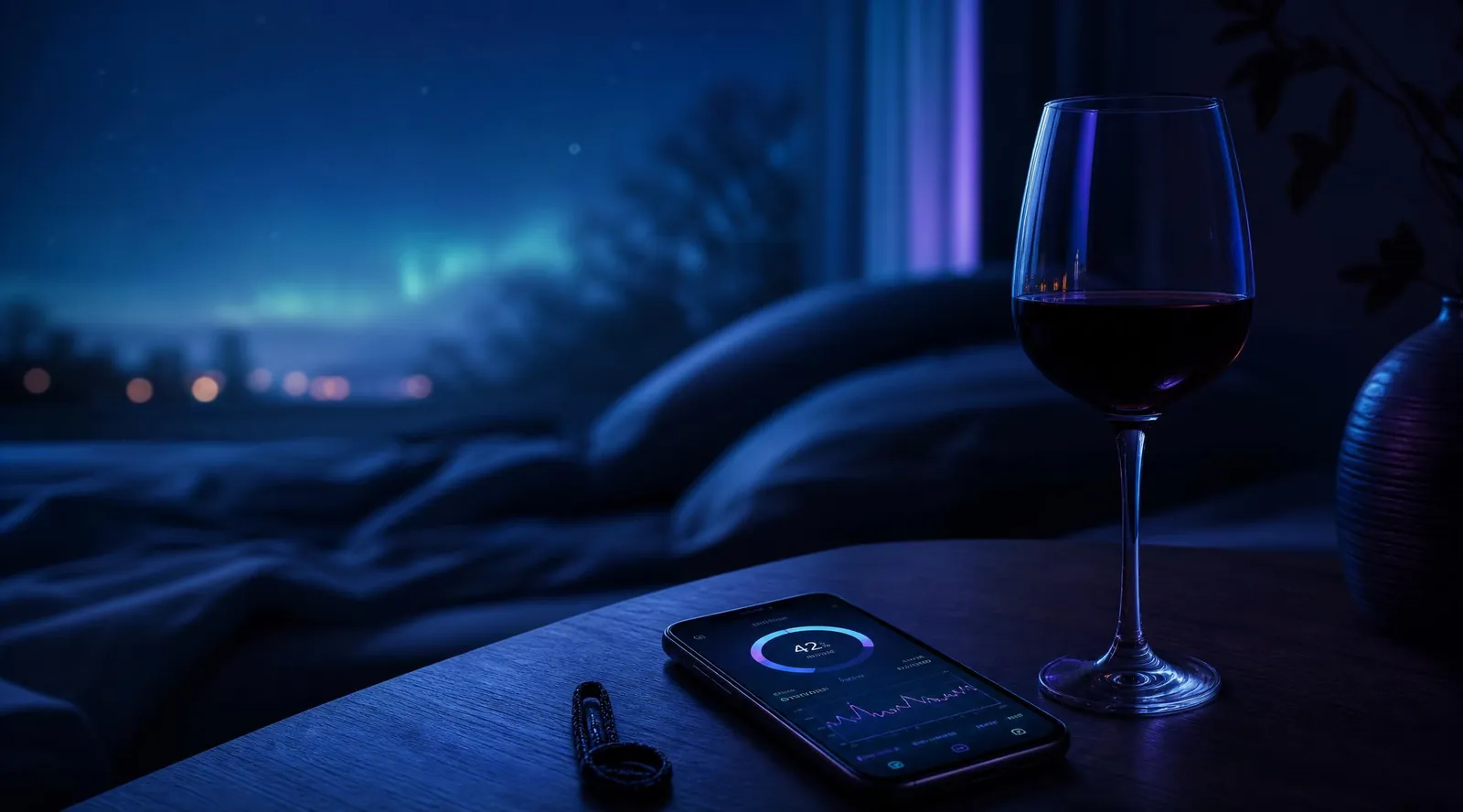
This is exactly what DuoSnore's Factors feature is designed for. You log what you did before bed, including whether you drank, and the app correlates it with your snoring that same night, surfacing a concrete impact figure such as "alcohol +47% snoring" drawn from your own history. Seeing your personal number is far more motivating than a vague warning, and it lets you experiment: try stopping earlier, or having one fewer drink, and watch whether your Snore Score actually improves. According to the Mayo Clinic, avoiding alcohol close to bedtime is a standard recommendation for reducing snoring, and tracking simply turns that general rule into a personalized, measurable plan. The takeaway: stop guessing about alcohol and snoring, and let a few weeks of your own tracked nights show you your real threshold.
Frequently asked questions
Does alcohol make you snore more?
Yes. Alcohol is a muscle relaxant, so it loosens the throat and tongue muscles that keep your airway open, making the tissues vibrate more and snoring louder. The more you drink and the closer to bedtime, the stronger the effect, even in people who do not normally snore.
How long before bed should I stop drinking to avoid snoring?
A common guideline is to stop drinking at least three to four hours before bed so your body has time to metabolize most of the alcohol. The exact timing depends on how much you drank and your body, but the closer to sleep, the worse the snoring.
Why do I snore after drinking even though I usually don't?
Because alcohol can cause snoring in people who normally do not snore. By relaxing the airway muscles beyond normal sleep relaxation, even a few drinks can produce vibration and snoring for that night. It typically resolves once the alcohol is metabolized.
Is alcohol bad for sleep apnea?
Yes. Research shows alcohol can worsen obstructive sleep apnea by relaxing the airway and dulling the arousal response that normally restarts breathing, increasing the number and length of breathing pauses. People with sleep apnea are usually advised to limit alcohol, especially near bedtime.
Does the type of alcohol matter for snoring?
The main driver is the amount of alcohol and how close to bed you drink it, not the specific drink. Any alcoholic beverage relaxes the airway. A late nightcap of spirits and several late beers can both worsen snoring; total dose and timing matter most.
Will quitting alcohol stop my snoring completely?
It depends on the cause. If alcohol is your main trigger, cutting it can dramatically reduce or stop snoring. But snoring usually has several causes, so if you still snore sober, other factors like position, weight or anatomy are involved and worth addressing too.
Does drinking water before bed reduce alcohol snoring?
Hydrating helps a little, because alcohol is dehydrating and dry airway tissues vibrate more, but it does not undo the muscle-relaxing effect. Water is a useful add-on, not a fix; reducing the amount and timing of alcohol matters far more.
Wellness, not a diagnosis. DuoSnore is not a medical device and this article is not a substitute for professional medical advice. If you have symptoms or any concern about your health or sleep, consult a healthcare professional.
Related articles
How to Stop Snoring: Evidence-Based Methods That Actually Work (2026)
A clear, evidence-based guide to stopping snoring: what causes it, which fixes actually work (side-sleeping, weight, alcohol, devices), and when snoring signals sleep apnea.

My Partner Snores: What to Do (Without Losing Sleep or Your Relationship) (2026)
Your partner snores and you can't sleep? Here's what actually helps, from same-night fixes to the apnea warning signs, plus how to fix it together instead of fighting about it.